


Multicultural markets are alive and well and living right under your noses
If you haven’t joined the multicultural marketing movement yet, jump in, there’s lots of room. At least for now. And if you’ve not thought of multicultural marketing then you should seriously consider it since it will soon be your main marketing strategy and not a marginalized one. That’s a strong statement I know but there’s irrefutable proof to support this. Statistics Canada will tell you that cultural segments are already here, and that they’re growing. From 2001 to 2021, the racialized population grew by 130%, compared to just 1% for the white population, and by 2041, racialized people could make up 38% to 43% of Canada’s total population. Fertility, at 1.25% for every Canadian woman (similar to countries like South Korea, Spain, and Japan), also portends that without immigration the country’s population will decline and so will the economy. Mark Carney won’t allow that. But let’s not stop there; Canada’s immigration targets at 380,000 people per year favour economic (ie, wealthy) and skilled migrants – people who can afford your products and services. These are the facts. It’s likely where your brand’s only growth is going to come from, especially with a fraught economy as we are seeing.
Slow and steady wins the race
With all this evidence, isn’t denying the impact of multicultural marketing a bit foolhardy? It’s a phenomenon we’ve witnessed over the years with a calculus that doesn’t quite add up. I liken it to the difference between slow and steady change versus sudden jolts that shock the system. (This is the same problem with climate change but that’s entirely a different story.) Allow me to use an analogy: deaths (morbid I know but bear with me). On June 12, 2025, 241 people perished when Air India 171 crashed near Ahmedabad in India. Meanwhile, that same year 45,000 people in Canada died from smoking, and this doesn’t even come close to the global figure of 8 million. What gets more attention? The airplane crash, of course. To paraphrase Joseph Stalin, 241 deaths – that’s a tragedy. 45,000 deaths, that’s a statistic.
Multicultural marketing is the slow steady discipline that nary gets the notice it deserves. The growth of these markets seems barely noticeable until suddenly it’s not. 380,000 new Canadians coming every year should galvanize every marketer’s attention. Notwithstanding the millions that have arrived in the last 30 years. So along with that, here are some ‘plane crashes’ that may have evaded your attention.
They came, they sang, they conquered
Recently, Vancouver saw two sell-out shows for South Korean K-pop sensation, Twice. This girl band kicked off their 36-performance North American tour at Rogers Arena with two back-to-back sold-out shows before continuing their tour across 19 American and Canadian cities. Similarly, Vancouver has seen massive sold-out shows by South Asian performers, most notably Diljit Dosanjh, who made history by selling out BC Place (54,000+ people) in April 2024, the largest Punjabi concert outside India, and two years earlier sold out Rogers Arena. Other major South Asian artists like Karan Aujla and Jazzy B have also achieved significant sell-outs at Rogers Arena, highlighting Vancouver as a major hub for pop culture and ethnic audiences.

- Twice:
- Rogers Arena (2025): Sold out two shows for their “This is For” World tour. 36 performances in North America, 11 in Europe
- Diljit Dosanjh:
- BC Place (April 2024): Sold out with over 54,000 fans, a record for a Punjabi concert outside India.
- Rogers Arena (2022): Sold out his “Born to Shine” tour stop, a major feat at the time.
- Karan Aujla:
- Rogers Arena (August 2024): Achieved the highest-selling Punjabi show at that venue, surpassing previous artists.
Why It's Significant
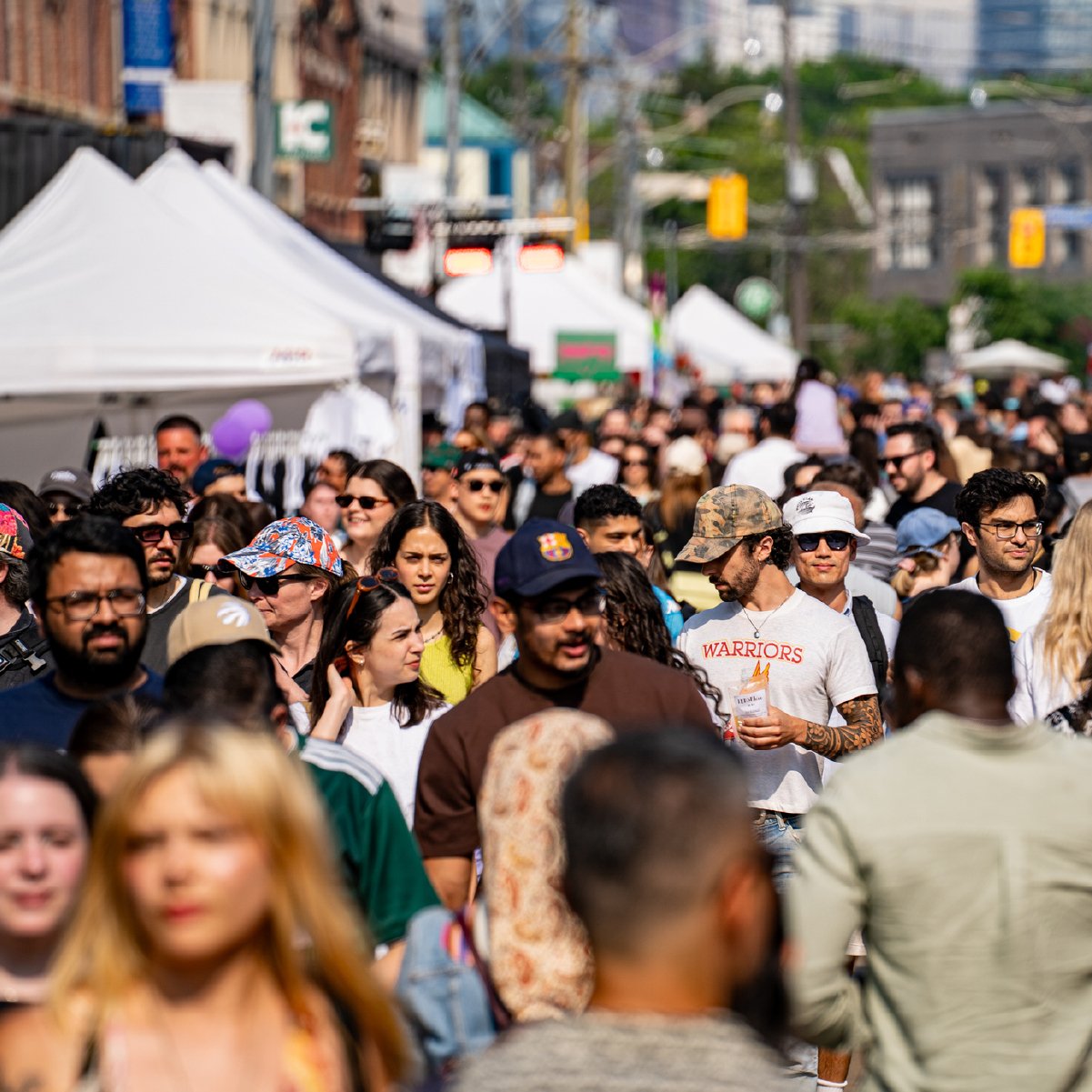
These sold-out concerts, especially at large stadiums like Rogers Arena and BC Place, demonstrate the massive draw and impact of cultural audiences while highlighting their importance and sizes. To emphasize, your current customer base is not growing. Growth can only come from new customers who are entering the marketplace – and the vast majority of those are multicultural customers. The evidence is in front of you, and if you need to see it to believe it, then attend a concert. Or visit cities in BC like Richmond, Surrey, or Vancouver, or in Ontario, Toronto, Brampton, Markham, or Richmond Hill where ethnic segments overshadow the general population. When you combine the immigration statistics with the visual cues on the streets or in the malls, it’s no longer prudent to ignore this reality.

Now what?
Ready to jump in? Talk to us or the many other multicultural agencies in Canada. The good news is you won’t be alone. Many other brands already engage in multicultural marketing for one main reason: it works. And as alluded to earlier, it’s the future. The slow and steady march of new customers is real and to steal a phrase from Wayne Gretzky, ‘skate to where the puck is going to be, not where it has been’ is a propitious reminder in today’s topsy-turvy world.