
Thought leadership

Multicultural markets are alive and well and living right under your noses

If you haven’t joined the multicultural marketing movement yet, jump in, there’s lots of room. At least for now. And if you’ve not thought of multicultural marketing then you should seriously consider it since it will soon be your main marketing strategy and not a marginalized one. That’s a strong statement I know but there’s irrefutable proof to support this. Statistics Canada will tell you that cultural segments are already here, and that they’re growing. From 2001 to 2021, the racialized population grew by 130%, compared to just 1% for the white population, and by 2041, racialized people could make up 38% to 43% of Canada’s total population. Fertility, at 1.25% for every Canadian woman (similar to countries like South Korea, Spain, and Japan), also portends that without immigration the country’s population will decline and so will the economy. Mark Carney won’t allow that. But let’s not stop there; Canada’s immigration targets at 380,000 people per year favour economic (ie, wealthy) and skilled migrants – people who can afford your products and services. These are the facts. It’s likely where your brand’s only growth is going to come from, especially with a fraught economy as we are seeing.

Slow and steady wins the race

With all this evidence, isn’t denying the impact of multicultural marketing a bit foolhardy? It’s a phenomenon we’ve witnessed over the years with a calculus that doesn’t quite add up. I liken it to the difference between slow and steady change versus sudden jolts that shock the system. (This is the same problem with climate change but that’s entirely a different story.) Allow me to use an analogy: deaths (morbid I know but bear with me). On June 12, 2025, 241 people perished when Air India 171 crashed near Ahmedabad in India. Meanwhile, that same year 45,000 people in Canada died from smoking, and this doesn’t even come close to the global figure of 8 million. What gets more attention? The airplane crash, of course. To paraphrase Joseph Stalin, 241 deaths – that’s a tragedy. 45,000 deaths, that’s a statistic.

Multicultural marketing is the slow steady discipline that nary gets the notice it deserves. The growth of these markets seems barely noticeable until suddenly it’s not. 380,000 new Canadians coming every year should galvanize every marketer’s attention. Notwithstanding the millions that have arrived in the last 30 years. So along with that, here are some ‘plane crashes’ that may have evaded your attention.
They came, they sang, they conquered

Recently, Vancouver saw two sell-out shows for South Korean K-pop sensation, Twice. This girl band kicked off their 36-performance North American tour at Rogers Arena with two back-to-back sold-out shows before continuing their tour across 19 American and Canadian cities. Similarly, Vancouver has seen massive sold-out shows by South Asian performers, most notably Diljit Dosanjh, who made history by selling out BC Place (54,000+ people) in April 2024, the largest Punjabi concert outside India, and two years earlier sold out Rogers Arena. Other major South Asian artists like Karan Aujla and Jazzy B have also achieved significant sell-outs at Rogers Arena, highlighting Vancouver as a major hub for pop culture and ethnic audiences.

  • Twice:
    • Rogers Arena (2025): Sold out two shows for their “This is For” World tour. 36 performances in North America, 11 in Europe
  • Diljit Dosanjh:
    • BC Place (April 2024): Sold out with over 54,000 fans, a record for a Punjabi concert outside India.
    • Rogers Arena (2022): Sold out his “Born to Shine” tour stop, a major feat at the time.
  • Karan Aujla:
    • Rogers Arena (August 2024): Achieved the highest-selling Punjabi show at that venue, surpassing previous artists.

Why It's Significant


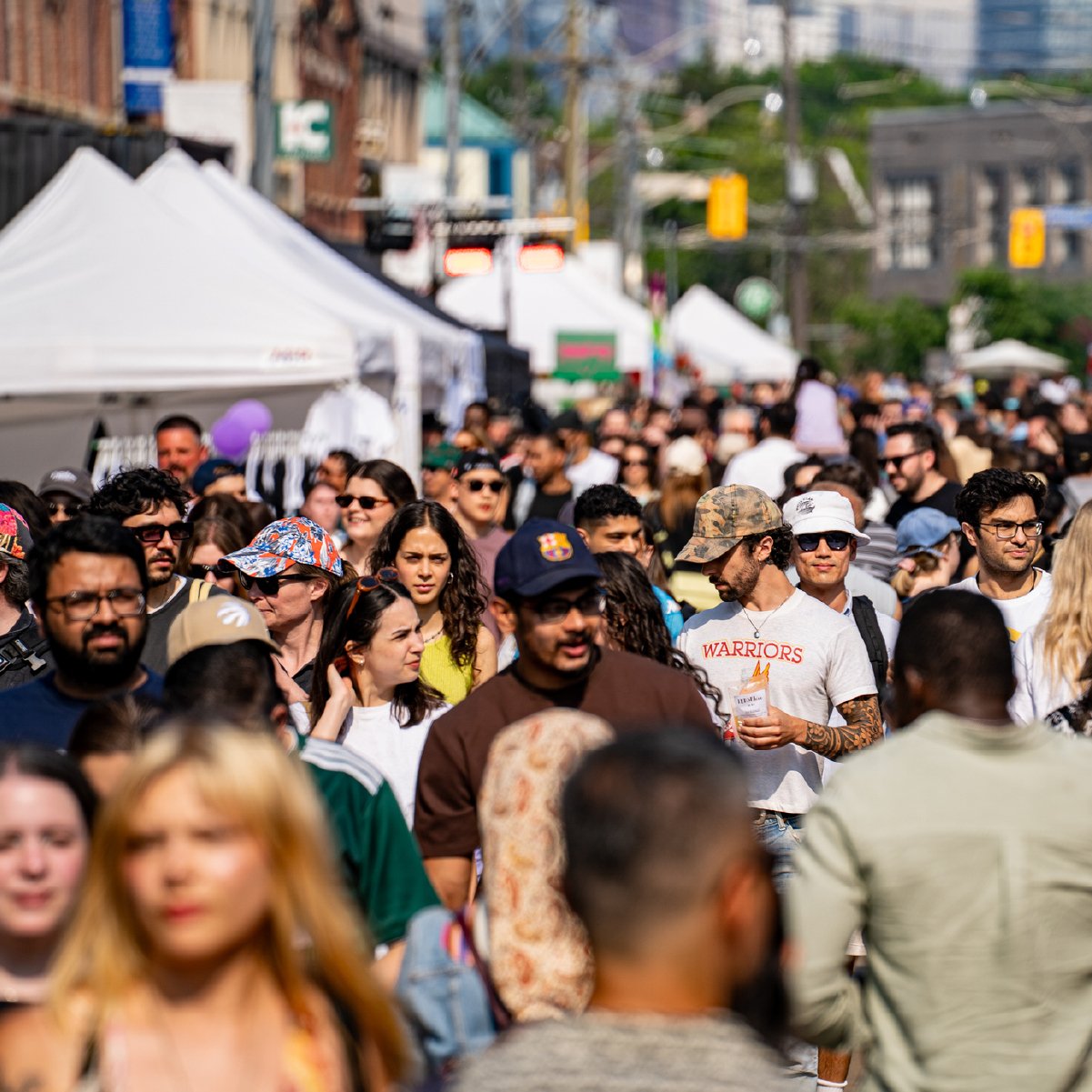
These sold-out concerts, especially at large stadiums like Rogers Arena and BC Place, demonstrate the massive draw and impact of cultural audiences while highlighting their importance and sizes. To emphasize, your current customer base is not growing. Growth can only come from new customers who are entering the marketplace – and the vast majority of those are multicultural customers. The evidence is in front of you, and if you need to see it to believe it, then attend a concert. Or visit cities in BC like Richmond, Surrey, or Vancouver, or in Ontario, Toronto, Brampton, Markham, or Richmond Hill where ethnic segments overshadow the general population. When you combine the immigration statistics with the visual cues on the streets or in the malls, it’s no longer prudent to ignore this reality.
Now what?

Ready to jump in? Talk to us or the many other multicultural agencies in Canada. The good news is you won’t be alone. Many other brands already engage in multicultural marketing for one main reason: it works. And as alluded to earlier, it’s the future. The slow and steady march of new customers is real and to steal a phrase from Wayne Gretzky, ‘skate to where the puck is going to be, not where it has been’ is a propitious reminder in today’s topsy-turvy world.
Ahh, August Newsletter

Welcome to our Summer Newsletter! We’ve just passed a productive couple of months and wanted to share some news. Hope you enjoy reading, and as always we look forward to engaging with you soon!

— Your friends at Hamazaki Wong

Are You a Biculturalist?

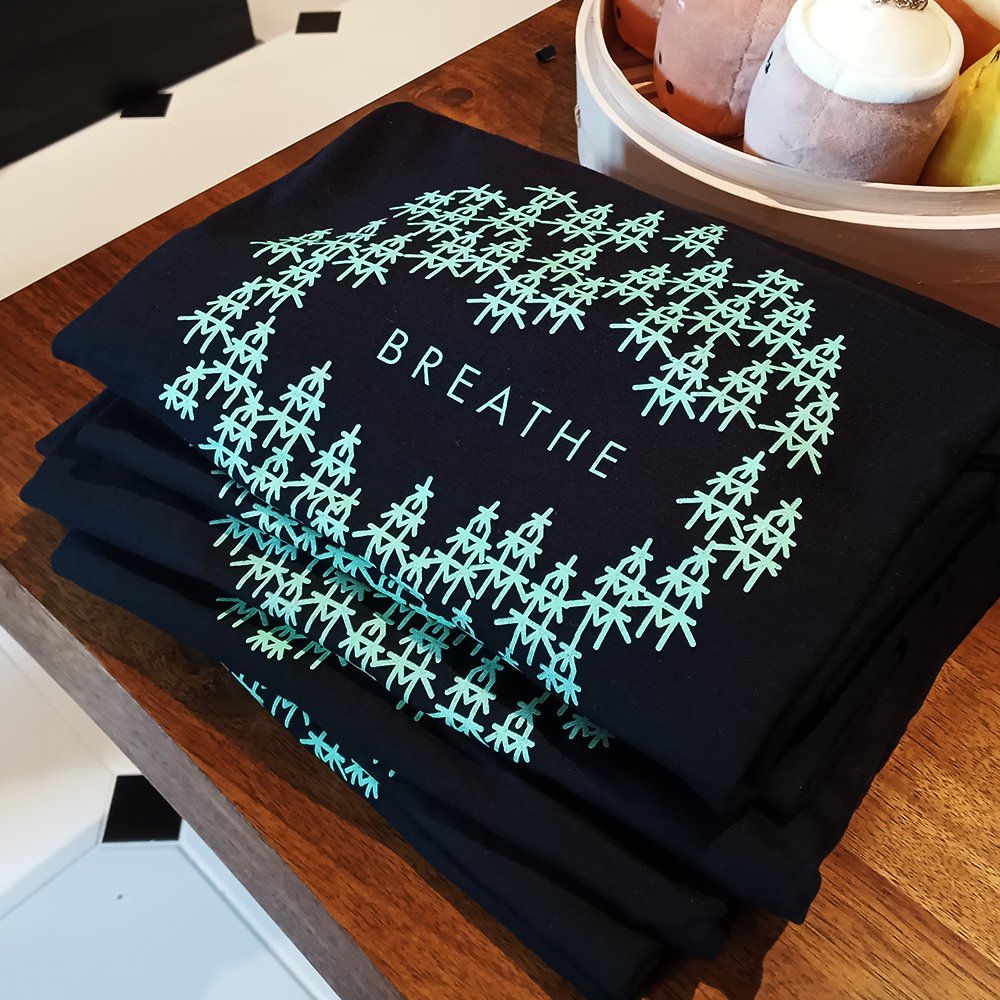
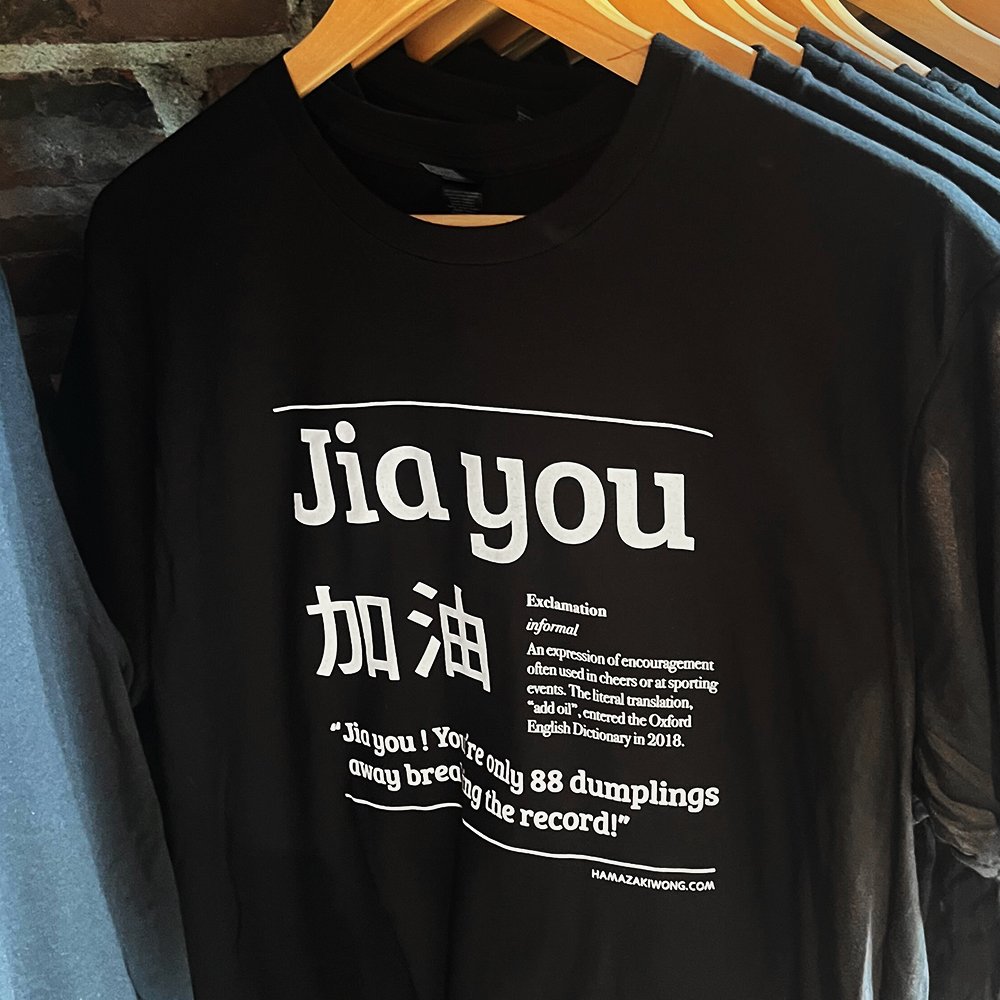
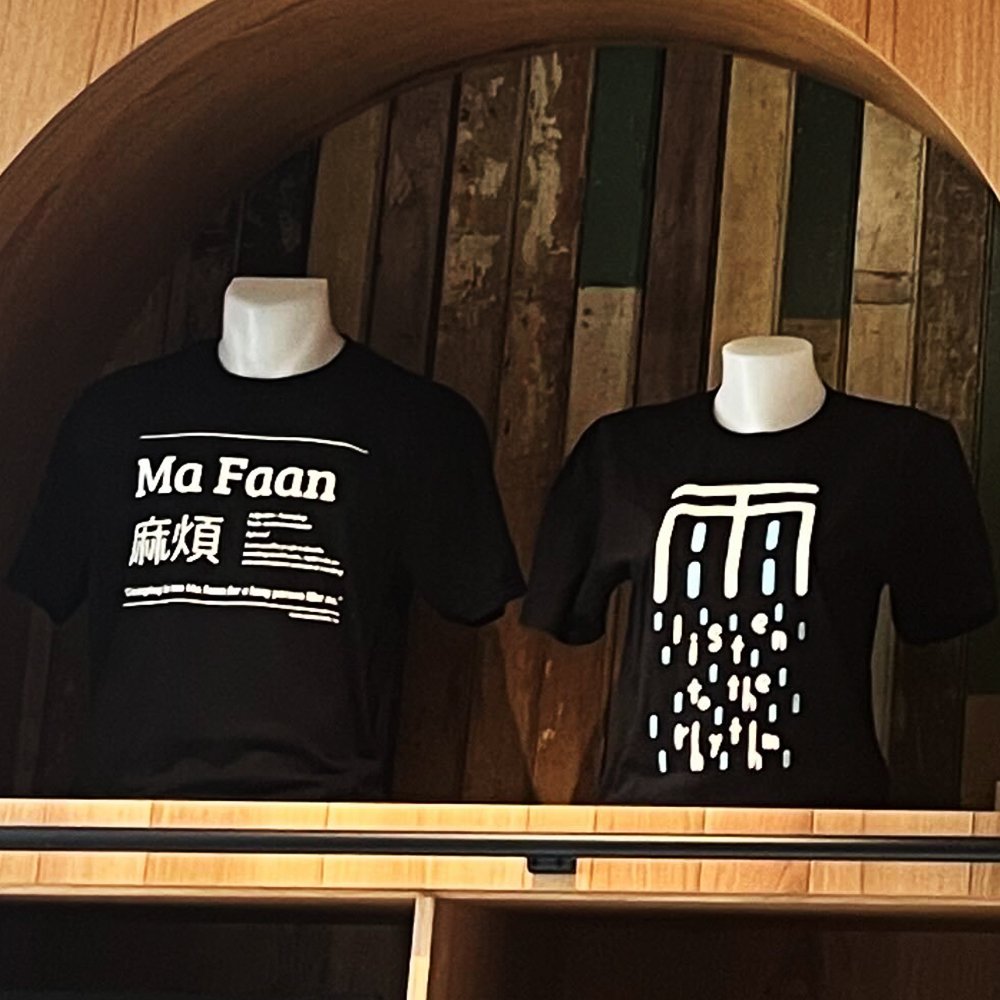
Hamazaki Wong Unveils its Newest Collection of Bicultural T-shirts

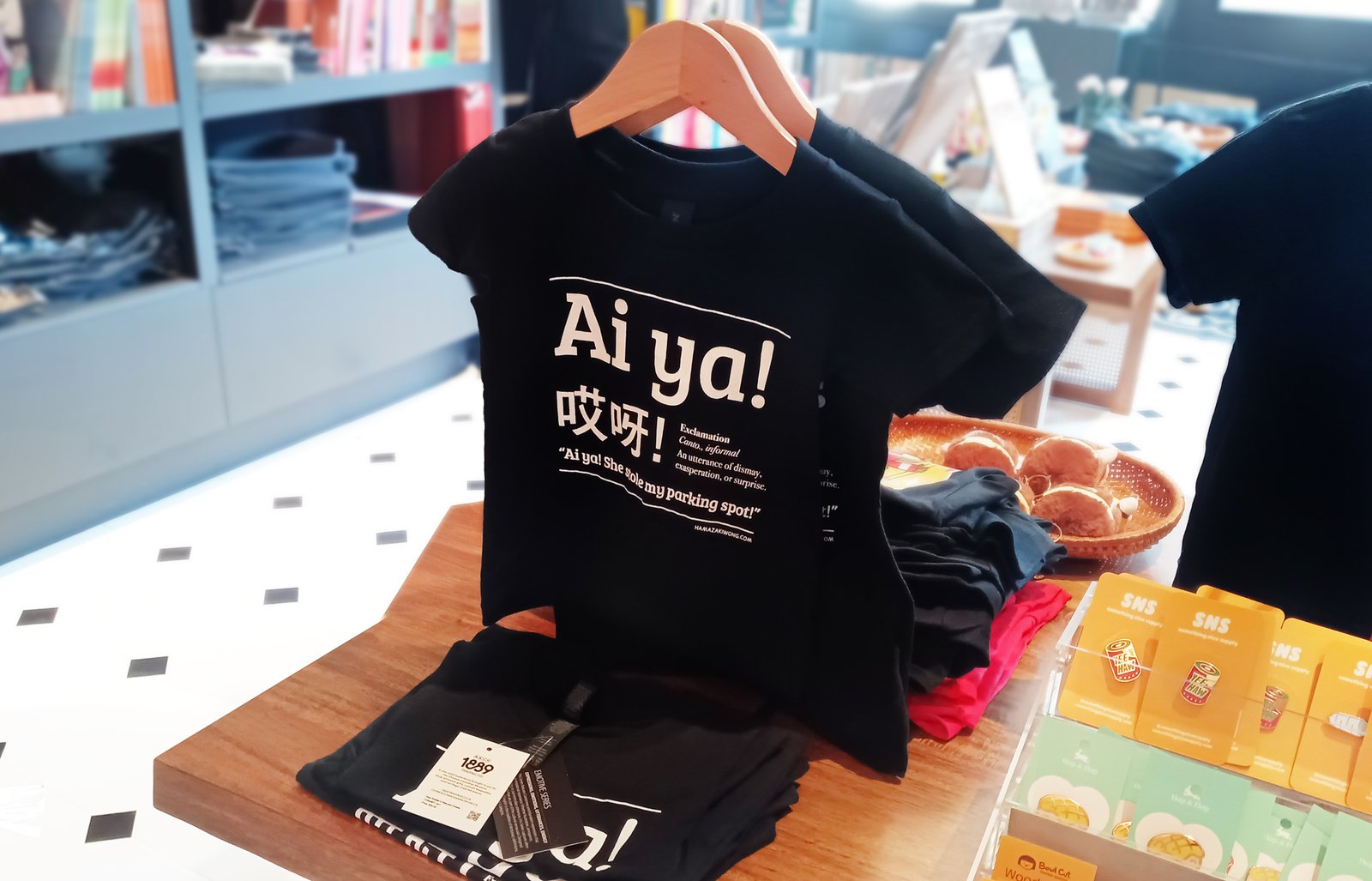
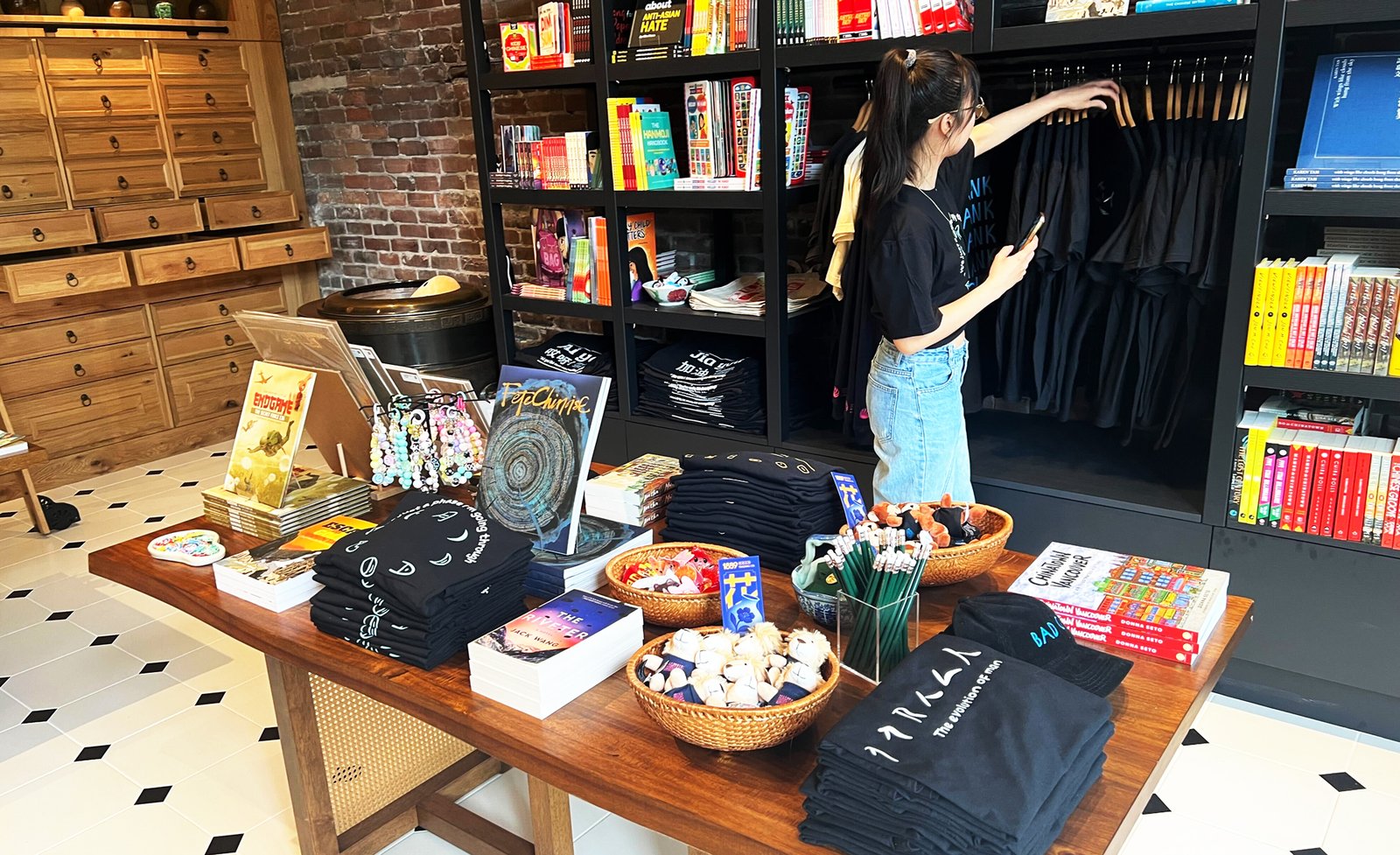
On 31 July, a spirited group gathered to jointly launch Hamazaki Wong’s collection of Bicultural T-shirts in tandem with the launch of 1889 Trading Co., the Chinese Canadian Museum‘s new Museum Shop! Thank you to the Chinese Canadian Museum for their partnership in this joint endeavour!

Hamazaki Wong’s collection of Bicultural T-shirts represents the melding of two cultures, each distinct and whole, such that the union of the two creates a hybrid third expression that is greater than the sum of the parts. Think of it as 1+1=3, a dynamic that raises thinking to a whole new level allowing us to embrace another culture and its unexpected familiarity when we previously thought none was there. It’s eating spaghetti with chopsticks. Or wearing an exquisite sari to a black-tie gala. Or shouting Ai-ya or Oy vey instead of oh sh**! In this case, we apply biculturalism to designs that embrace English and Chinese sensibilities, only elevated a couple of notches

We have two Collections: The Emotive Series and the Visual Series. The Emotive Series features Cantonese and Mandarin expressions that have emotional resonance. While the Visual Series explores the symbolic typology of Chinese characters and reveals their history, meaning, and usage in refreshing ways.

Interested in winning one of our Visual Series Bicultural T-shirts? Just send us a message through our contact form naming your favourite design and size and we’ll enter you in a random draw to win that shirt!


Many Happy Returns!

Chinese and South Asian audiences want to recycle too!

Beverage containers have their place, and it’s not in the garbage. So, how do you get that across to multicultural audiences? That’s what we set out to do – to create an attitude that recycling beverage containers is the right thing to do. Our approach focused on key audience groups, especially uninformed segments such as new immigrant families, international students, and working professionals.


Food for thought: Breaking the Mold -- Why Real Estate Marketing Must Evolve in an Era of Economic Uncertainty and Declining Sales

Read our most recent article exploring the state of trust (or lack thereof) in today’s marketplace—and what your brand can do about it.

The Future: Marketing with Meaning

Moving Beyond Sameness to Capture Interest and Affinity

Walk down any city street, click through online listings, or scroll a developer’s Instagram feed: you’ll likely encounter a parade of interchangeable real estate campaigns—gleaming kitchen counters, generic family smiles, and cheerful taglines promising “a place to call home.” It’s a formula so familiar it’s become invisible. But in the shifting sands of today’s real estate market, where presales wane, immigration is topsy-turvy, and economic uncertainty casts a long shadow, this sameness is not just uninspiring—it lacks relevance.


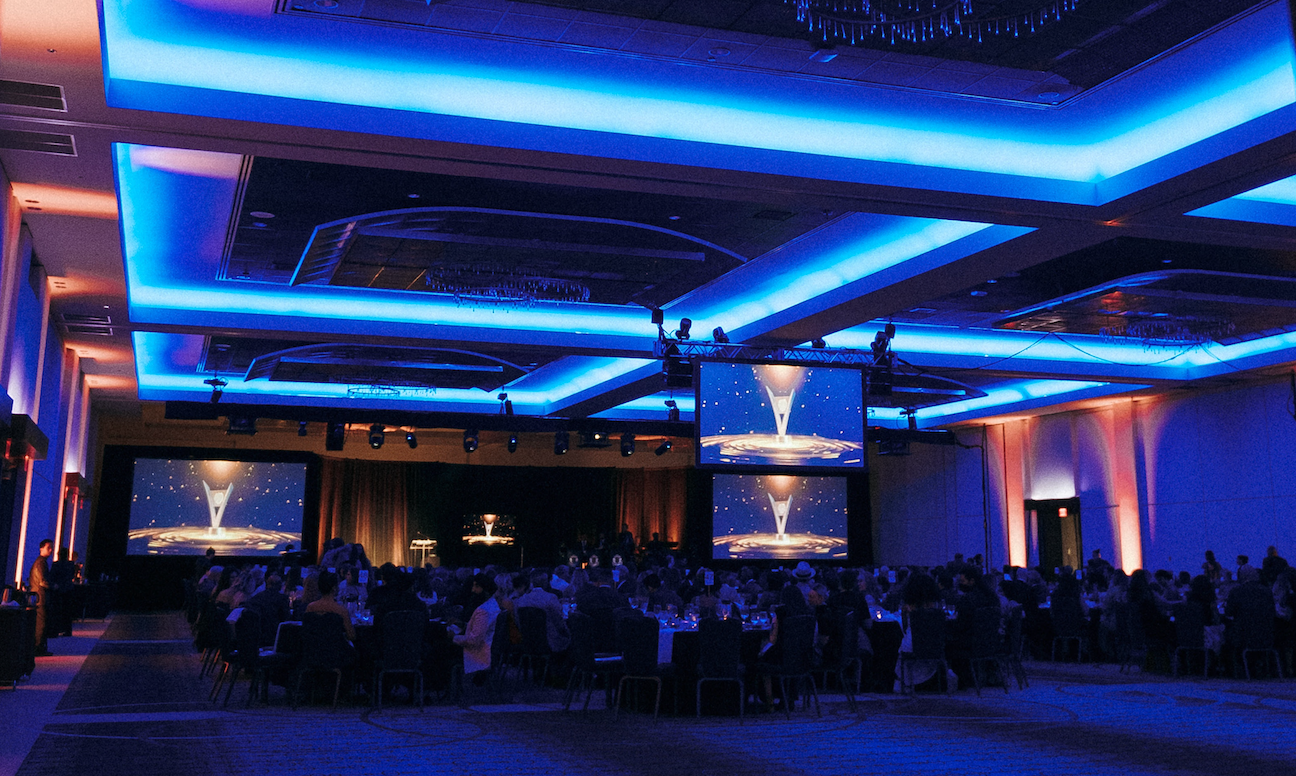
Another LEO AWARDS, planned and produced.

BC's Awards Program for Film and Television gets the Hamazaki Wong Touch

Experiential continues to be a prominent feature of Hamazaki Wong’s skill set as we successfully planned and produced the 27th edition of the LEO AWARDS, BC’s awards program for film and television. In addition to our role in event planning, management, and execution, Hamazaki Wong is given a front row seat amongst BC celebrity culture.

Here’s to September…

SEPTEMBER 2025

While January is the emotional start of the year, September is the psychological and rhythmic start of the year. It’s when campaigns begin, school reopens, and when a certain busyness and seriousness returns. Rather than a time of reflection, it’s a time of action when new ideas, motivations, and routines take hold, impelling life forward. So how could we allow September to pass without observation? 
 
Welcome to September where we look at something that matters to us: Nature and Sustainability.

CAMPAIGN SPOTLIGHT:

Our Future is Now

Early this year, Hamazaki Wong had the opportunity to work with the environmental movement on a campaign to dispel the narrative of liquefied natural gas (LNG). Rather than taking a typical scorched-Earth approach, we put the issue into context for British Columbians, helping audiences realize that the short-term benefits may not outweigh the long-term impacts, but doing it in a way that’s approachable and light. The result? A lot of chuckles and some searing realities into the indignations of LNG.

MUSINGS:

Some of our thinking from Our Future is Now can be found in this thought-leadership piece we recently penned. But more than that, we attempt to put some thinking around the state of the world, and how the environmental movement might respond at a time when other existential priorities exist.

When the environment is no longer a priority, what does the environmental movement do?

Hamazaki Wong has been part of the sustainability movement for almost two decades. It aligns with our interest in social and environmental justice. But despite those years in the trenches, things haven’t really moved forward as we or the environmental movement would like. As David Suzuki opined in a New York Times article in October 2023, “We’ve failed big time … But even when we won, we failed as a movement to change the underlying assumptions of society, the behavior of government and businesspeople.”

NATURE AGENCY:

Giving Nature a Voice

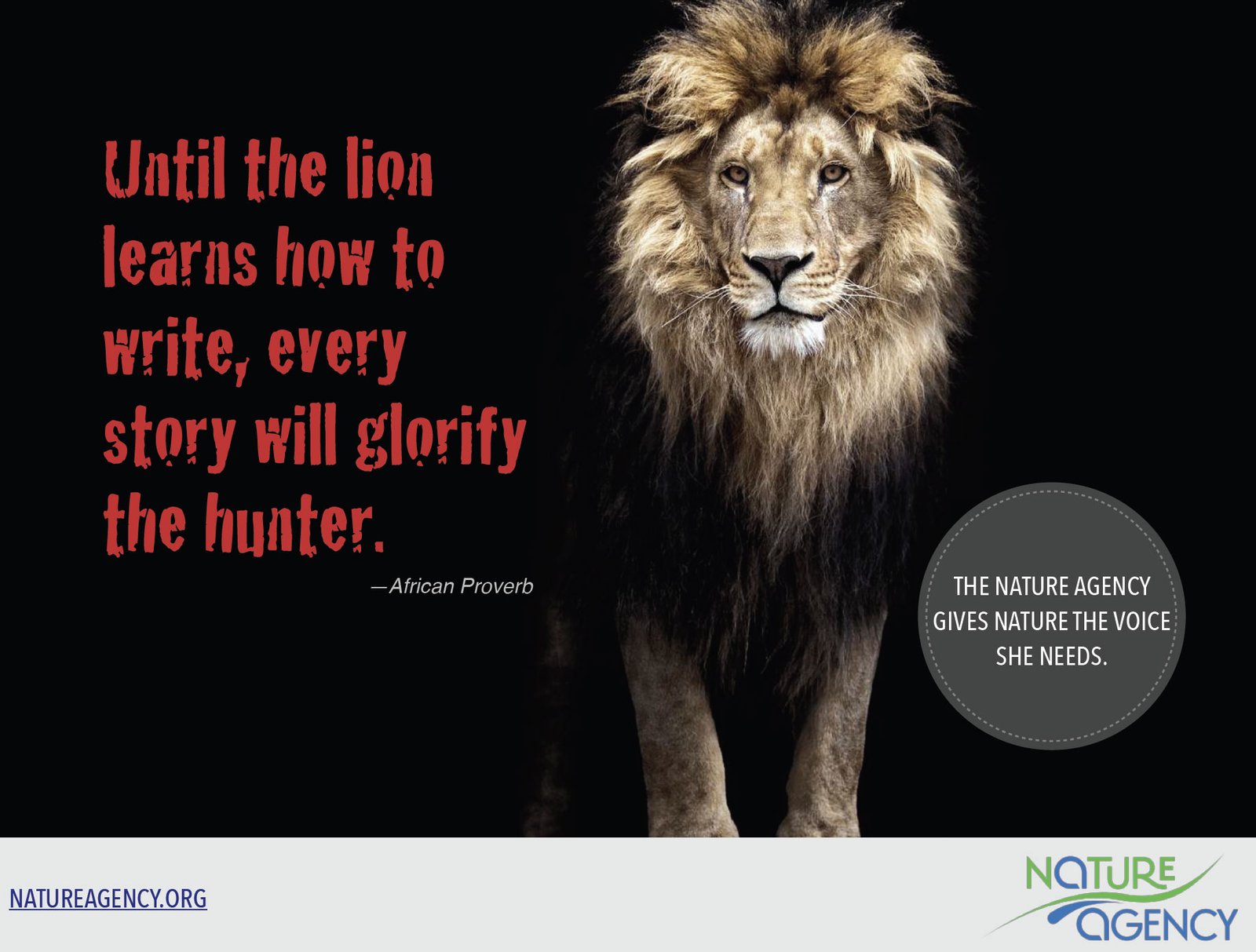
Hamazaki Wong’s interest in sustainability has led us to join and lead another initiative: Nature Agency, the world’s first agency that uses marketing-communications to give Nature a voice. The mission: help every Canadian understand and value Nature’s essential role in supporting all life and human success on our Planet. Through awareness and education campaigns and projects, Nature Agency seeks to create a culture of environmentalism to meaningfully support our one and only client, Nature. We invite you to learn more (and support) the Nature Agency.

CAMPAIGN SPOTLIGHT:

We have a Winner!

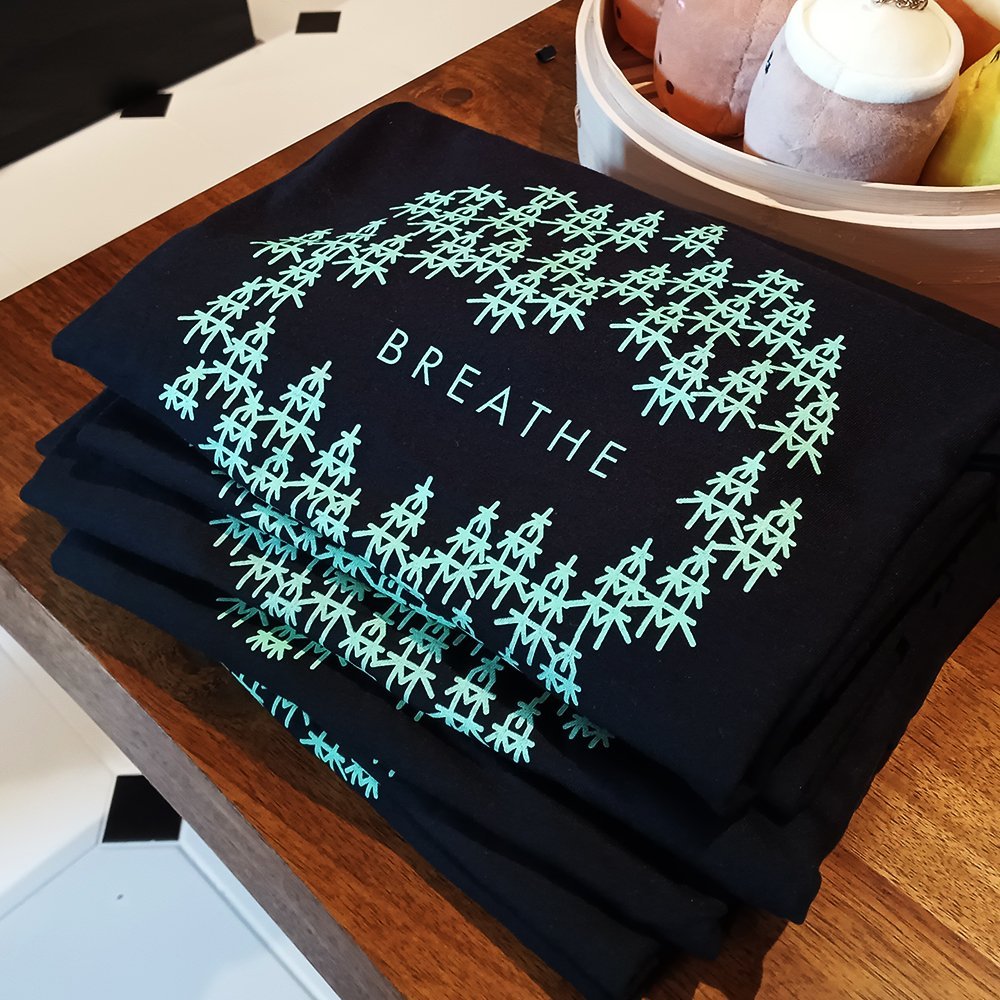
Congratulations to Imogene Lim, the winner of our Bicultural T-shirt Contest! Imogene smartly selected the Breathe design, definitely a fan favourite! Thank you to all those who entered and thank you for your kind words on our work.
 
Want to learn more about our T-shirts and why we created them? Click below to learn more. Purchase them at the Chinese Canadian Museum.