

The 200,000 Customers You Need to Plan For
Have you heard the screams? The politicking? The virtue signaling? You know – the cries of no more immigrants? Let’s get this out of the way first: we support immigration believing it’s a net positive to Canada. It helps Canada as an economy for without population growth the country is stagnant socially and financially. But we need to set the record straight of the reported 622,000 immigrants expected in 2027, along with their implications.
These people have been here for years awaiting some directive from government on whether they can stay in Canada or not. Imagine if that was you facing a situation of impermanence and uncertainty — one that may require you to leave the country that you had specifically chosen to live in. It’s a kind of situational limbo that clouds your everyday behaviours, decisions, and lifestyle. But this 200,000 is not a new intake. It’s a status change and here’s the good news for marketers: that status change influences behaviour. A two-year planning horizon now becomes a 20-year one and the mortgage, the insurance, the RESP, the automobile, and all those new appliances and living accoutrements become clearer in focus. These temporary residents have suddenly become viable customers with a future.
We live in an era of cultural openness where digital and social media blurs the identity line. Cultural silos now bleeding into others creating overlaps in language, sensibility, and expectations. At Hamazaki Wong, we’ve characterized that with a body of work we call biculturalism and instead of thinking this is a minority group, we invite you to think of this as the market – an overlapping middle that melds two cultural sensibilities into one creating a new, more nuanced market of customers. And we’re witnessing a two-way street too. Whereupon North American brands have traditionally marketed to cultural consumers, what happens when international brands, with their own cultural norms, now take that stage?

That does not make them new customers in every category. The opportunity is to identify which decisions a more certain future could bring forward. For financial services, that might mean messaging around long-term family goals. For home and automotive brands, it could mean storytelling that connects a purchase to putting down roots. Audience strategy should reflect those specific needs, rather than treating immigration status alone as a reason to buy. 200,000 customers all with renewed intention and a life to plan is an opportunity. Layer in the statistic that, in centres like Toronto (with Vancouver not too far behind), almost half the population doesn’t have English as a sole mother tongue, and you’ve got a marketplace that churns faster than marketers can track. And when combined with the 422,000 expected to arrive in 2027, that’s a boatload of new consumers to contend with.
This gives brand growth planning two directions to consider: helping established Canadian brands become more relevant to culturally diverse consumers, and helping incoming international brands turn existing cultural familiarity into local demand. Both require messaging that connects what consumers already know with what they need to feel confident buying here.
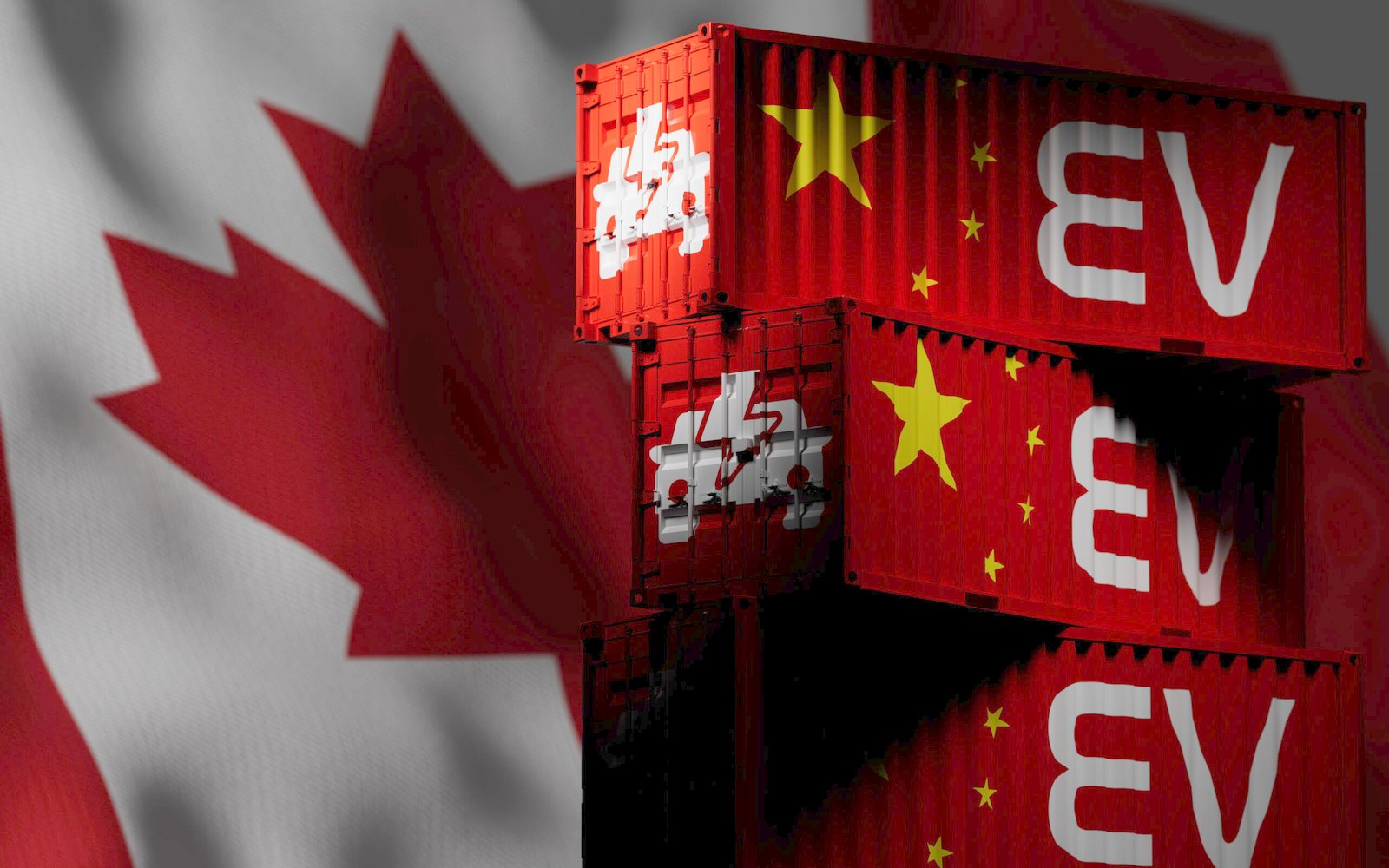
Chinese car brands are set to debut in Canada soon. But let’s take a perceived advantage off the table first: there will not (necessarily) be a price discount. Chinese-built EVs will enter the market at 6.1% tariff, but only within the initial 49,000-unit annual quota — first come first served, shared across eligible China-made EV imports, including those from non-Chinese brands such as Tesla.
Here’s the new dynamic: a culturally originating brand is marketing to more North American culturally agnostic markets. What does that look like, particularly for brands that have little name recognition? That’s where the overlap comes in. Bicultural customers are buyers that sit in two cultural codes with overlapping ideologies to match and likely they are already familiar with international brands having experienced them from whence they came.
Bicultural customers are buyers that sit in two cultural codes with overlapping ideologies to match and likely they are already familiar with international brands having experienced them from whence they came.
Consider what an incoming Chinese brand already faces. At home, it’s a household name, in North America it’s a question mark. But the overlap is where a foreign brand arrives with equity instead of a deficit: customers who already know the product, hold an opinion of it, and are only deciding whether the local version is as good as the one back home. It’s a pre-primed audience simply waiting to be informed. Brand familiarity creates an opening, but localization builds confidence. Brands need to adapt their messaging and storytelling to local needs, expectations, and purchase barriers.
For a century Canada was where the world’s cultures came to be absorbed into something called Canadian. The overlap says that’s backwards. This is where they come to be recombined — into a mosaic, in the way a brand is allowed to sound. The market you learn to serve in Scarborough is the market the rest of the world is on its way to becoming – a mainstream that belongs to no one in particular, and so can belong to anyone.
At Hamazaki Wong, we help brands translate that understanding into audience strategy, messaging, and storytelling. If your growth plan does not yet account for these cultural overlaps and changing purchase needs, let’s discuss where the opportunity lies for your brand.